“Biosynthetic gene mining of the L. asiatica genome found no close hits with any genes known in the production of mushroom psychoactive compounds,” write the researchers in their published paper.
“This supports our hypothesis of the presence of a novel unidentified metabolite responsible for the unique hallucinogenic properties of L. asiatica.”
Exactly.
Or even- no known hallucinogens synthesized by their canonical biochemical pathways by enzymes expressed from the host species genome.
The OG hallucinogen, ergot, is ingested by eating wheat. If one presumed that the substance is made by wheat, and mined the wheat genome, they would never find the genes for its synthesis, because the hallucinogen is made by mold growing on the wheat.
It’s very rare you can draw a strong conclusion from negative results.
Rye is the most common place ergot grows, which is another common bread grain. I am not disagreeing with your post, and ergot can grow on wheat too, just pointing out that rye is a much more common source of egot contamination.


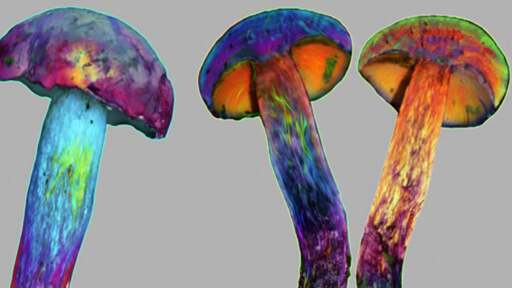
Yeah. No known hallucinogens.
Exactly. Or even- no known hallucinogens synthesized by their canonical biochemical pathways by enzymes expressed from the host species genome.
The OG hallucinogen, ergot, is ingested by eating wheat. If one presumed that the substance is made by wheat, and mined the wheat genome, they would never find the genes for its synthesis, because the hallucinogen is made by mold growing on the wheat.
It’s very rare you can draw a strong conclusion from negative results.
Rye is the most common place ergot grows, which is another common bread grain. I am not disagreeing with your post, and ergot can grow on wheat too, just pointing out that rye is a much more common source of egot contamination.
I dont really know these things but i always just assumed rye (and barely) was just a kind of wilder less domesticated wheat.