A new Harvard Chan School study shows it’s the quality—not quantity—of macronutrients that make a difference for heart health, debunking myth that modulating carbohydrate and fat intake alone is inherently beneficial.
Yeah, leafy greens and legumes are good because there’s a bunch of extra vitamins.
Oatmeal (especially fortified) has a bunch of other stuff tho.
Like, don’t literally only eat a few things. Anything high in fiber keeps you full for a long time.
Especially for the dudes, eating fiber is a very easy preventative measure for colo-rectal cancer. And it’s hard to look at the correlation between modern low fiber high processed food diets and the skyrocketing rates of colo-rectal cancer and say there’s zero correlation.
But convincing people to eat fiber gets a weird amount of opposition
Oats are very much a thing in the US. Quite common. Stores sell rolled oats, steel cut oats and sugary packaged oats. The trick is buying the rolled/steel cut and not the packaged sugar garbage.
But convincing people to eat fiber gets a weird amount of opposition
I haven’t seen much. It’s usually when it comes in the form of vegan evangelism and moralising. “Eat a balanced diet which include meat and veggies” is about as milquetoast a message as you can get with very little opposition. In fact, the new U.S. food pyramid is exactly that. Reception has been very good. It’s not perfect, but it’s a hell of a lot better than the old one.
I’ve seen quite a surprising amount of oposition to fiber specifically here on Lemmy. It comes completely unrelated to any vegan discussions. It’s kinda wierd, to be honest.
Well it can be trickier than you might think. The general advice is to get 30 grams a day. I tried that, and I ended up having to overeat by quite a bit to achieve that number. Then I realized that number was not meant for me, it was for men who are at least twice my size. I probably only need 15 grams a day, which I was probably already getting. But that “30 grams” recommendation is everywhere. There’s also two different types of fiber, and you might need more of one than the other depending on your individual biome. I think most people would benefit from a more tailored recommendation or plan.
I also have a theory that fiber does not interact well with IBS, and that there may be some number of folks who don’t know they have it. Personally, I can’t digest leafy greens at all. I would eat them if I could, because it often feels like some personal failure and that I’m going to die early since I can’t. But if the undigested bits get stuck in my intestinal pockets, I end up in the hospital. 🤷
“I don’t like the messenger so I’m going to reject their proposal for a healthy diet.”
Cool story, bro. I hope you enjoy your cheeseburgers and diabetes. It suggests a healthy diet of protein, vegetables, and healthy fats. I presume that would be an immense improvement over yours.

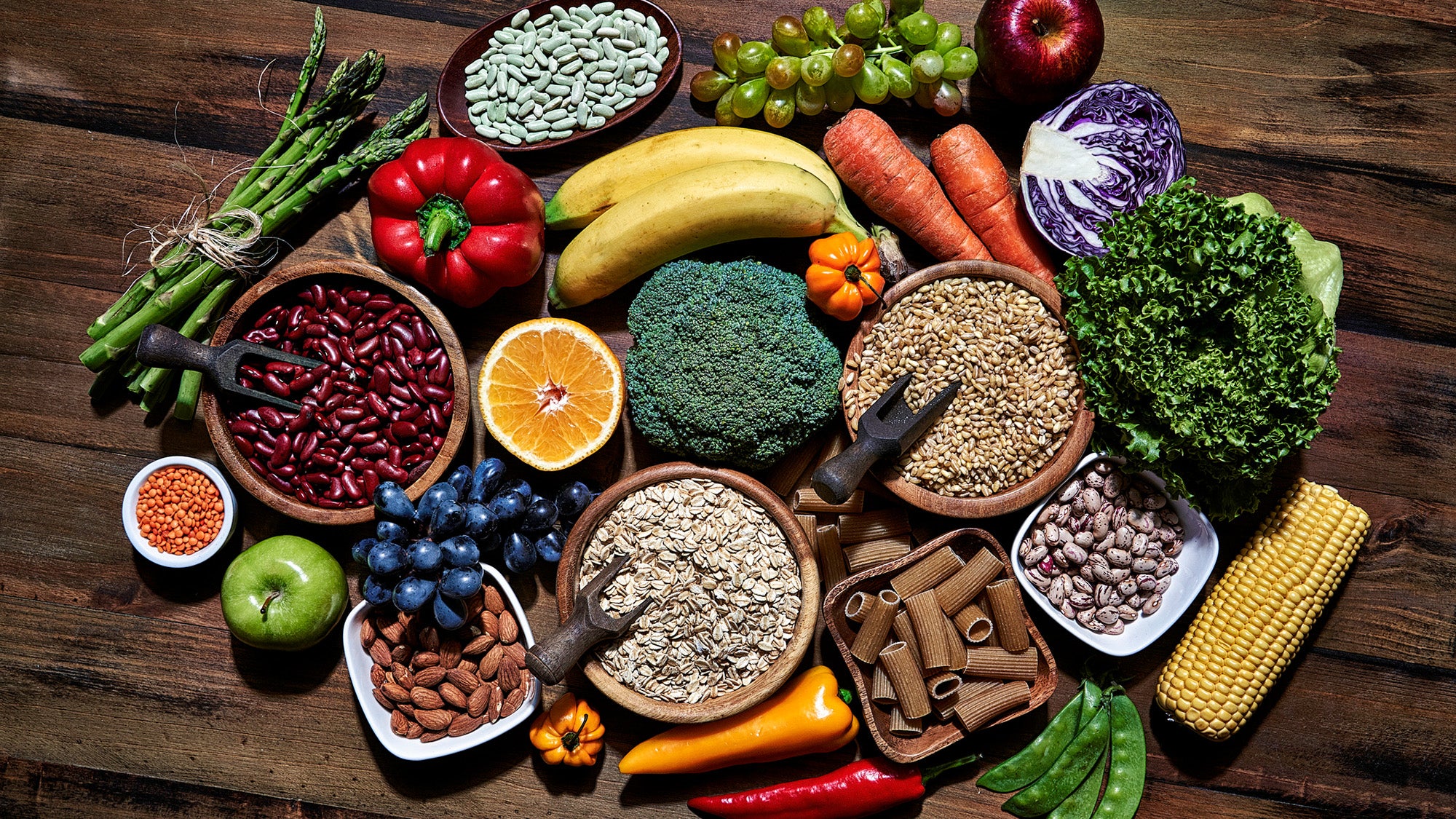
Yeah, leafy greens and legumes are good because there’s a bunch of extra vitamins.
Oatmeal (especially fortified) has a bunch of other stuff tho.
Like, don’t literally only eat a few things. Anything high in fiber keeps you full for a long time.
Especially for the dudes, eating fiber is a very easy preventative measure for colo-rectal cancer. And it’s hard to look at the correlation between modern low fiber high processed food diets and the skyrocketing rates of colo-rectal cancer and say there’s zero correlation.
But convincing people to eat fiber gets a weird amount of opposition
I usually get rolled oats. Not sure if oatmeal is an American thing, I don’t think it’s common here? I have never heard of it anyway.
Here you usually get plain rolled oats or ultra processed instant porridge in various forms of packaging.
“oatmeal” just refers to the prepared/cooked oats, whether that’s from steel cut/rolled whole oats or processed and flavored in a packet
Oats are very much a thing in the US. Quite common. Stores sell rolled oats, steel cut oats and sugary packaged oats. The trick is buying the rolled/steel cut and not the packaged sugar garbage.
I haven’t seen much. It’s usually when it comes in the form of vegan evangelism and moralising. “Eat a balanced diet which include meat and veggies” is about as milquetoast a message as you can get with very little opposition. In fact, the new U.S. food pyramid is exactly that. Reception has been very good. It’s not perfect, but it’s a hell of a lot better than the old one.
I’ve seen quite a surprising amount of oposition to fiber specifically here on Lemmy. It comes completely unrelated to any vegan discussions. It’s kinda wierd, to be honest.
Okay that is weird. My comments were more real life experiences. Then include me in the mystery. Why would people oppose fibre?
Why would people oppose fiber?
Well it can be trickier than you might think. The general advice is to get 30 grams a day. I tried that, and I ended up having to overeat by quite a bit to achieve that number. Then I realized that number was not meant for me, it was for men who are at least twice my size. I probably only need 15 grams a day, which I was probably already getting. But that “30 grams” recommendation is everywhere. There’s also two different types of fiber, and you might need more of one than the other depending on your individual biome. I think most people would benefit from a more tailored recommendation or plan.
I also have a theory that fiber does not interact well with IBS, and that there may be some number of folks who don’t know they have it. Personally, I can’t digest leafy greens at all. I would eat them if I could, because it often feels like some personal failure and that I’m going to die early since I can’t. But if the undigested bits get stuck in my intestinal pockets, I end up in the hospital. 🤷
I have no idea - as I’ve mentioned, I find it wierd.
Not downloading a PDF…
But anyone advocating for RFKs inverted food pyramid really shouldn’t be listened to on health issues.
“I refuse to look at text on the internet.”
“I don’t like the messenger so I’m going to reject their proposal for a healthy diet.”
Cool story, bro. I hope you enjoy your cheeseburgers and diabetes. It suggests a healthy diet of protein, vegetables, and healthy fats. I presume that would be an immense improvement over yours.