A lot of the underlying message is how language gives you a sense of belonging, of community. Being forbidden to speak Cree, those people got those things stolen from them; and now she’s trying to let people reclaim those for themselves.
“The rock, it’s a spiritual thing for us. It’s our messenger to the Creator, right? So we call it a living thing. Same thing with the trees. That’s a living thing as well.”
This sort of exception (or should I say, additional complexity) pops up quite a bit across languages. Specially when there’s some meaning behind it.
Another aspect of the Cree language is that there is no gender distinction. // “We wouldn’t be able to know if it’s a male or female that we’re talking about,” she said.
Small correction: the animate vs. inanimate distinction is a gender system. It’s just not the same type as in your stereotypical European language, male vs. female vs. neuter. But note how it’s still triggering agreement, like expected from gender:
niwâpamâw picikwâs I see the apple (picikwâs/apple is animated)
niwâpahten tehtapiwin I see the chair (tehtapiwin/chair is inanimated)


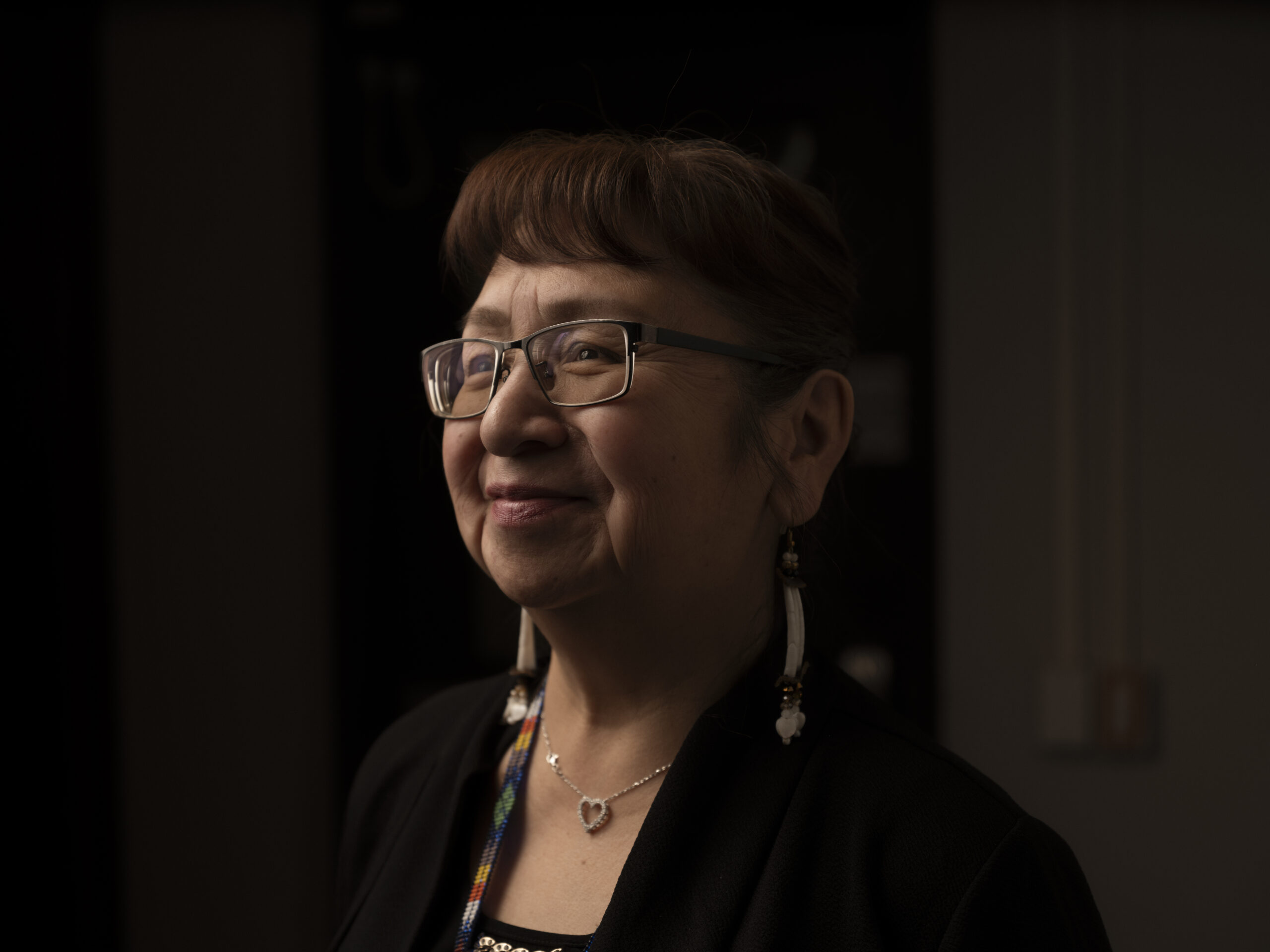
A lot of the underlying message is how language gives you a sense of belonging, of community. Being forbidden to speak Cree, those people got those things stolen from them; and now she’s trying to let people reclaim those for themselves.
This sort of exception (or should I say, additional complexity) pops up quite a bit across languages. Specially when there’s some meaning behind it.
Small correction: the animate vs. inanimate distinction is a gender system. It’s just not the same type as in your stereotypical European language, male vs. female vs. neuter. But note how it’s still triggering agreement, like expected from gender: