Most U.S. gun owners use lead-based ammunition and primers, and nearly half don’t engage in any post-shooting hygiene behaviors such as changing their clothes or showering, a study found.
I don’t think I’ve ever seen FMJ .22 ammo. The best you can find is “copper washed” or “brass washed” which I guess is electroplated or painted or something with a metal solution that seems like it’s about one molecule thick. It still gets lead marks all over everything.
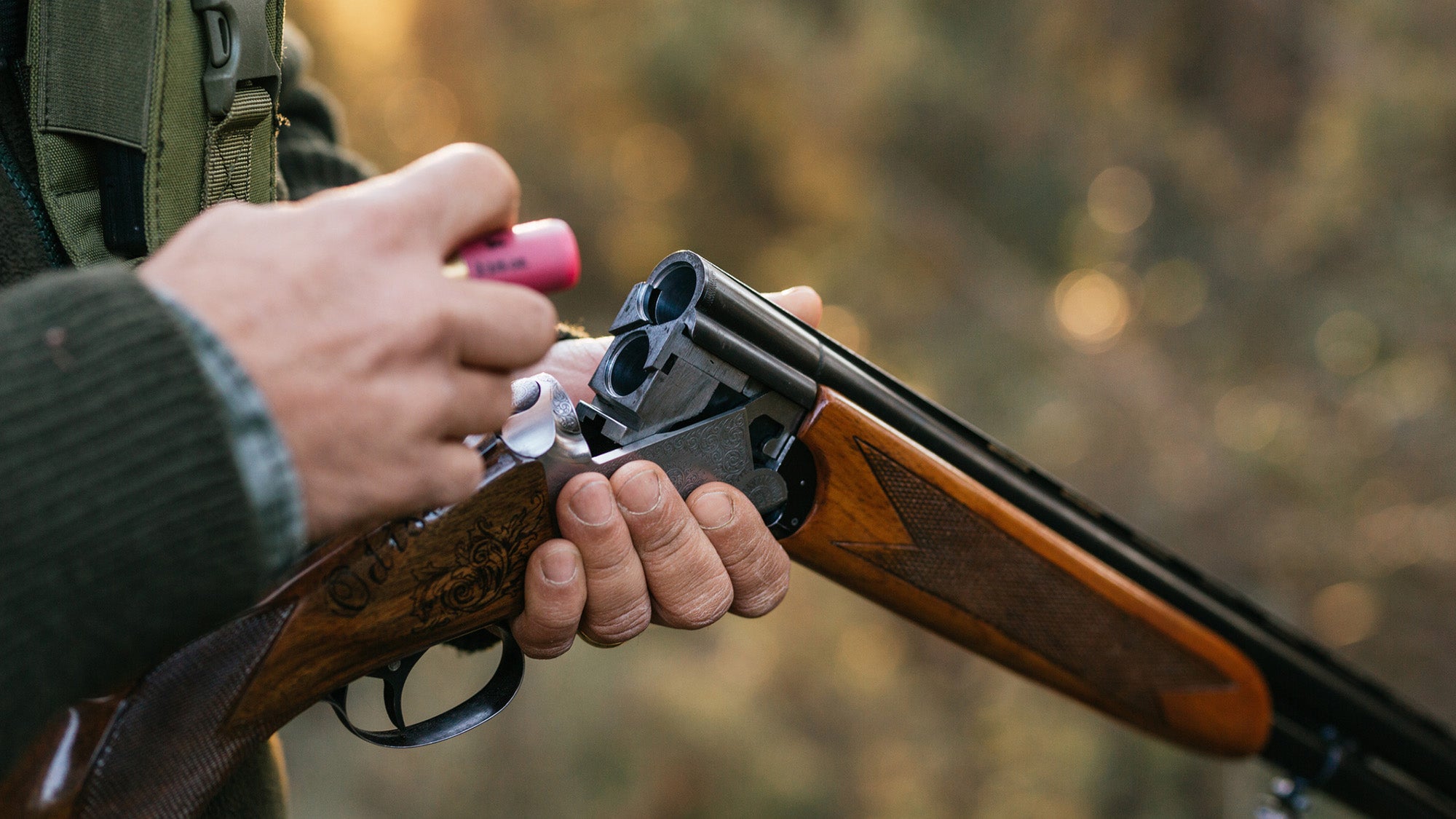
Shotgun shot is also traditionally just lead, unjacketed, although nobody should be coming into contact with that much except the recipient because it all stays inside the shell. And non-lead shot is mandated for hunting in a lot of places now for obvious environmental reasons, either being steel or tungsten or bismuth or whatever.
Shotgun shot contacts the barrel, so there’s going to be some creation of dust and rubbing on the barrel. The user will be exposed to that in the air and when cleaning.
Not unless you’re oldschooling it hard enough to be using felt or cardboard wads and not a plastic shot cup as found in modern shells. Or unsaboted slugs, I suppose, which definitely contact the barrel. In the former case, you probably already have an impressive handlebar mustache and a large collection of brass shells, a keg of black powder in your basement right next to your keg of whiskey, and you’re touching your shot all the time while you’re handloading anyway.
Shotguns do, however, disseminate their shot all over the countryside when people hunt with them since statistically speaking only a rather small portion of the shot tends to actually hit the target.
No it doesn’t. The shot cup and the charge of shot travel down the barrel as a single contiguous unit. The outer walls of the cup are what contact the barrel. The shot doesn’t appreciably separate from the cup until several feet past the end of the muzzle when the petals of the shot cup are no longer restrained by the barrel. Separation is only able to happen when the cup encounters wind resistance out there in open air, and this is trivially verifiable by firing a bird shot shell at a paper target from only a couple of feet away.
This is all especially so with steel shot, because you definitely don’t want that touching the inside of the barrel. I haven’t cut a buckshot shell apart lately so I suppose it’s possible that there are still commercial loads out there that just utilize a plastic wad with no cup, but birdshot shells certainly don’t.


Not .22 - the cheaper stuff tends to be exposed lead
I don’t think I’ve ever seen FMJ .22 ammo. The best you can find is “copper washed” or “brass washed” which I guess is electroplated or painted or something with a metal solution that seems like it’s about one molecule thick. It still gets lead marks all over everything.
Shotgun shot is also traditionally just lead, unjacketed, although nobody should be coming into contact with that much except the recipient because it all stays inside the shell. And non-lead shot is mandated for hunting in a lot of places now for obvious environmental reasons, either being steel or tungsten or bismuth or whatever.
Shotgun shot contacts the barrel, so there’s going to be some creation of dust and rubbing on the barrel. The user will be exposed to that in the air and when cleaning.
Not unless you’re oldschooling it hard enough to be using felt or cardboard wads and not a plastic shot cup as found in modern shells. Or unsaboted slugs, I suppose, which definitely contact the barrel. In the former case, you probably already have an impressive handlebar mustache and a large collection of brass shells, a keg of black powder in your basement right next to your keg of whiskey, and you’re touching your shot all the time while you’re handloading anyway.
Shotguns do, however, disseminate their shot all over the countryside when people hunt with them since statistically speaking only a rather small portion of the shot tends to actually hit the target.
I mean when you fire the round, the shot exits the cartridge and proceeds down the barrel, naked.
No it doesn’t. The shot cup and the charge of shot travel down the barrel as a single contiguous unit. The outer walls of the cup are what contact the barrel. The shot doesn’t appreciably separate from the cup until several feet past the end of the muzzle when the petals of the shot cup are no longer restrained by the barrel. Separation is only able to happen when the cup encounters wind resistance out there in open air, and this is trivially verifiable by firing a bird shot shell at a paper target from only a couple of feet away.
This is all especially so with steel shot, because you definitely don’t want that touching the inside of the barrel. I haven’t cut a buckshot shell apart lately so I suppose it’s possible that there are still commercial loads out there that just utilize a plastic wad with no cup, but birdshot shells certainly don’t.
Edit! It was remarkably difficult to find a slow motion video of this in action: https://www.youtube.com/watch?v=1if2QKHWmU4
.22s are generally electroplated. Lead tends to stick to rifling, that’s why most people don’t like to shoot lead.
Yeah, I just looked at the Winchester Super X i usually get, ut is plated. Idk why I thought it was jacketed.