Honestly, look into pain killer studies. We still don’t know how many of them work even though we know that they do work. The brain and nervous system is weird.
At the end of the day, enough empirical data over a long enough time frame will have to do, especially if there are no alternatives. Sure do like me a good mechanism though, especially for new things, gives a clue as to long term side effects.
Genuinely, we’re better at preventing memory formation and experience of pain than actual sedation. Patients can be cognitively present, and the reason they’re not traumatized from a experiencing a surgery is that we’re preventing the experience from leaving a mark on the brain


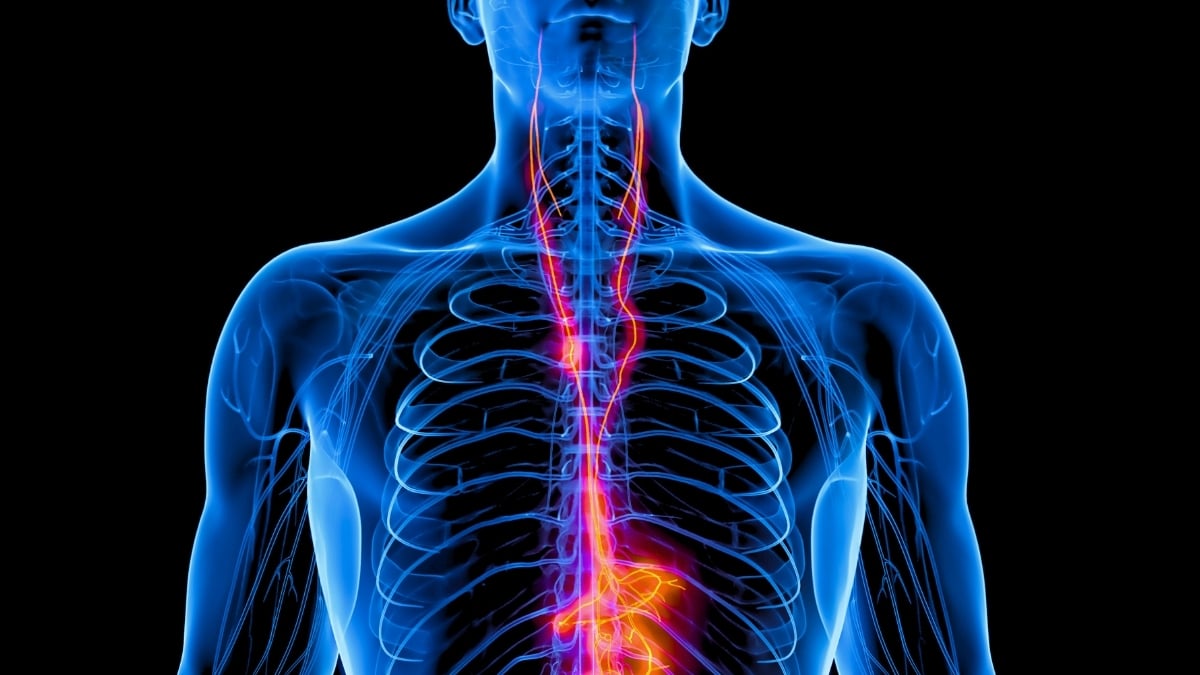
Honestly, look into pain killer studies. We still don’t know how many of them work even though we know that they do work. The brain and nervous system is weird.
Anesthesia, we have no idea how, just that it works
At the end of the day, enough empirical data over a long enough time frame will have to do, especially if there are no alternatives. Sure do like me a good mechanism though, especially for new things, gives a clue as to long term side effects.
I heard that in Fillion’s voice, lol. Shiny.
Genuinely, we’re better at preventing memory formation and experience of pain than actual sedation. Patients can be cognitively present, and the reason they’re not traumatized from a experiencing a surgery is that we’re preventing the experience from leaving a mark on the brain
https://pubmed.ncbi.nlm.nih.gov/40626585/
Tylenol (acetaminophen/paracetamol) is one of the most used painkillers and we still don’t know the mechanism of action.
but it tends to be weaker than the nonselective cox inhibitors, otc nsaids.