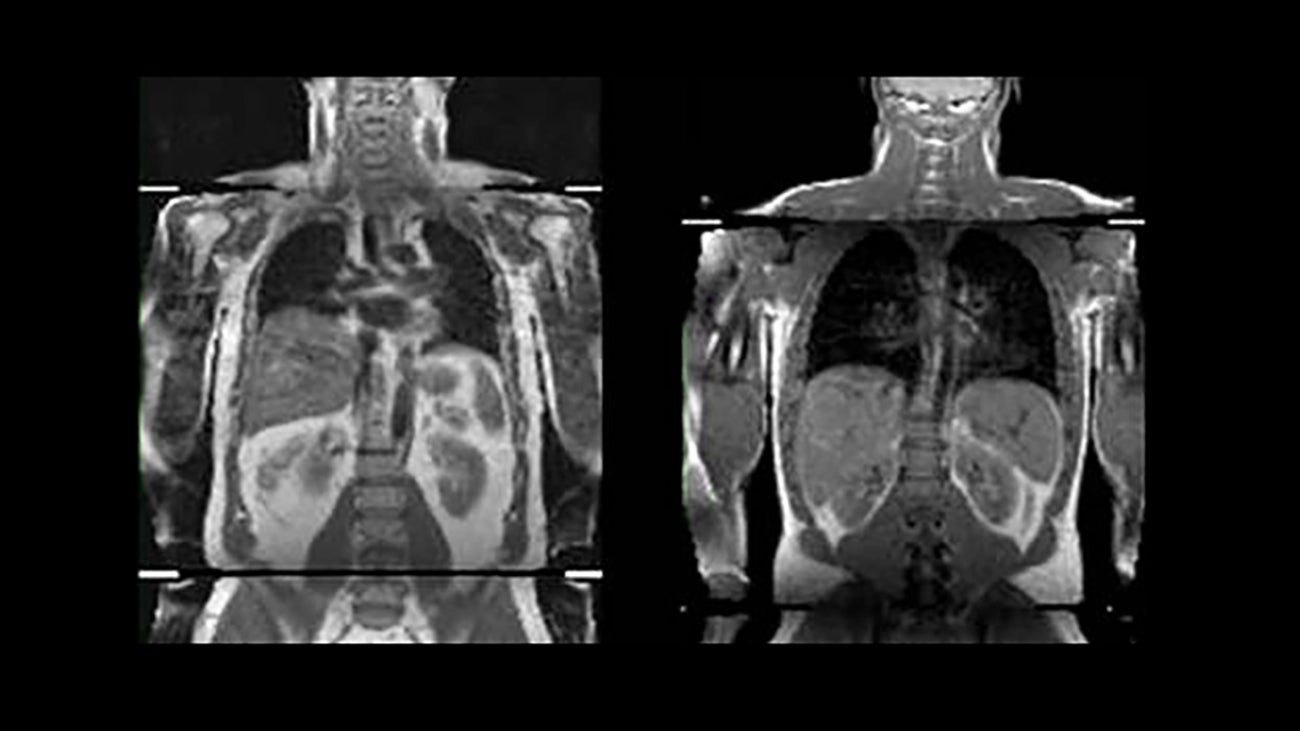
Irrespective of weight loss, maintaining a lower level of visceral fat—fat stored deep within the abdomen, wrapping around vital organs—may lead to better long-term cardiometabolic and cognitive health, according to two new Harvard Chan School studies.
But my argument is that even if the MED score is completely worthless, and completely ignored by the study design, the causation and correlation between the actual variables people care about are there: those randomly selected for interventions in prior studies now have less visceral fat, and score higher on certain cognitive measures, even if they gained all their weight back.
I’m not disagreeing with you about how much value the MED scores provide. I’m just looking at how the study used the MED scores and I’m satisfied that what you’re describing doesn’t affect the core findings.


But my argument is that even if the MED score is completely worthless, and completely ignored by the study design, the causation and correlation between the actual variables people care about are there: those randomly selected for interventions in prior studies now have less visceral fat, and score higher on certain cognitive measures, even if they gained all their weight back.
I’m not disagreeing with you about how much value the MED scores provide. I’m just looking at how the study used the MED scores and I’m satisfied that what you’re describing doesn’t affect the core findings.