Huge "regreening" efforts in China over the past few decades have activated the country's water cycle and moved water in ways that scientists are just now starting to understand.
@choui4 most immediately, it destroys habitats, and even if sparsely populated, semi-deserts are habitats to extraordinary species. Totalitarian counties in particular don’t have the mechanisms of internal criticism and self-correctiveness, and as a consequence risk moving too fast for nature to adapt.
It was ly understanding that, much like the regreening efforts in Africa, these deserts were formerly greened areas and thus were being returned to their natural state.


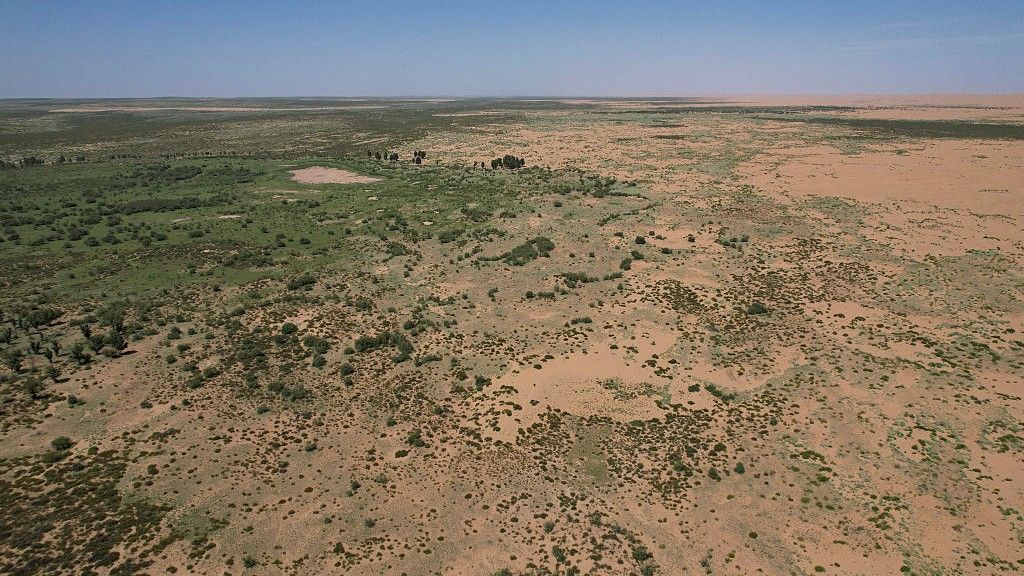
What makes it dangerous?
@choui4 most immediately, it destroys habitats, and even if sparsely populated, semi-deserts are habitats to extraordinary species. Totalitarian counties in particular don’t have the mechanisms of internal criticism and self-correctiveness, and as a consequence risk moving too fast for nature to adapt.
Hardly comparable, because we’re talking of an opposing action here, but here are examples of effects of water engineering:
https://en.wikipedia.org/wiki/Northern/_river/_reversal
https://en.wikipedia.org/wiki/Colorado/_River/_Compact#Over-use,_climate_change,_and_other_issues
https://www.bbc.com/news/articles/c4gk1251w14o
I will definitely check those links out.
It was ly understanding that, much like the regreening efforts in Africa, these deserts were formerly greened areas and thus were being returned to their natural state.