PugJesus@lemmy.worldM to [Dormant] moved to !historyart@piefed.social@lemmy.worldEnglish · 1 year agoAncient Roman water supply diagramlemmy.worldimagemessage-square12linkfedilinkarrow-up13arrow-down10
arrow-up13arrow-down1imageAncient Roman water supply diagramlemmy.worldPugJesus@lemmy.worldM to [Dormant] moved to !historyart@piefed.social@lemmy.worldEnglish · 1 year agomessage-square12linkfedilink
minus-squareCameronDev@programming.devlinkfedilinkEnglisharrow-up0·1 year agoSame way a fuel siphon works, as long as the opening is below the inlet, and the rest of the tube is full and sealed, the water will flow. https://en.m.wikipedia.org/wiki/Siphon
minus-squarejaybone@lemmy.worldlinkfedilinkEnglisharrow-up0·1 year agoBy why did they even need one here though?
minus-squarewischi@programming.devlinkfedilinkEnglisharrow-up0·edit-21 year agoBecause it’s simpler to build siphons through large valleys instead of 100 meter high 10 kilometer long aqueducts.
minus-squareDonjuanme@lemmy.worldlinkfedilinkEnglisharrow-up0·1 year agoBut you have to keep water pressure throughout the length of that tube, how did they do that with their materials?
minus-squarewischi@programming.devlinkfedilinkEnglisharrow-up1·1 year agoThere is no additional pressure besides from the height/drop, so unless so have a substantial leak where you lose a lot of water, it “just works”.

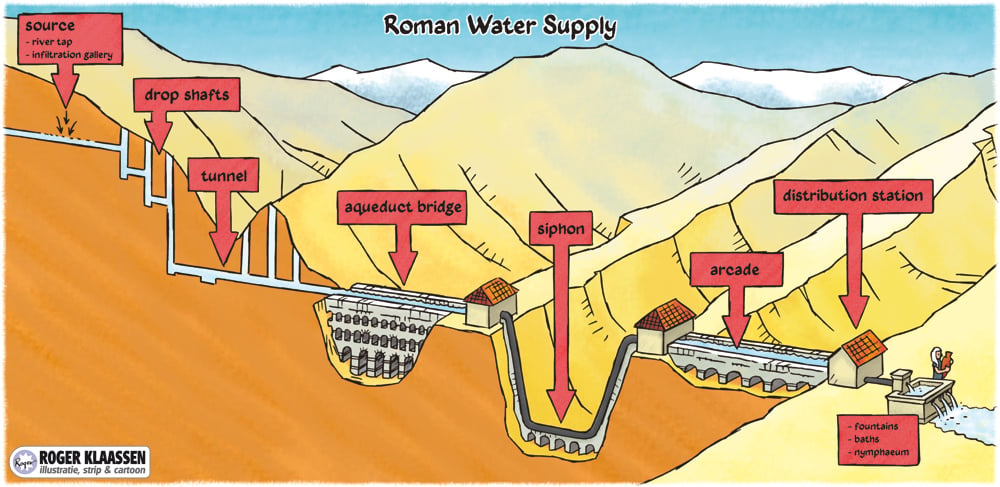
Same way a fuel siphon works, as long as the opening is below the inlet, and the rest of the tube is full and sealed, the water will flow.
https://en.m.wikipedia.org/wiki/Siphon
By why did they even need one here though?
Because it’s simpler to build siphons through large valleys instead of 100 meter high 10 kilometer long aqueducts.
But you have to keep water pressure throughout the length of that tube, how did they do that with their materials?
There is no additional pressure besides from the height/drop, so unless so have a substantial leak where you lose a lot of water, it “just works”.