Also in terms of mentality for the soldiers. Before WWI, they thought of war as a heroic historic thing where men marched in lines in open fields, maybe shot at one another and then everyone fought in hand to hand combat … which meant everyone believed that it was the strongest, fastest and most skilled warriors who became the victors of war. It was a great thing which meant that you had to dress in bright beautiful colours because everyone was in full view of one another and up close.
WWI arrives and all those young guys who thought they were going to fight each other with swords, knives or their bare hands instead spent years sitting in the mud, never seeing the enemy, having sniper fire whiz past their heads and endless days of bombing that blew out their ear drums, shook them all day and night and sent the fear of god into them without ever having fought anyone in close combat.
It really must have been a very rude awakening for anyone wanting to be part of WWI at the start.
Also in terms of mentality for the soldiers. Before WWI, they thought of war as a heroic historic thing where men marched in lines in open fields, maybe shot at one another and then everyone fought in hand to hand combat … which meant everyone believed that it was the strongest, fastest and most skilled warriors who became the victors of war. It was a great thing which meant that you had to dress in bright beautiful colours because everyone was in full view of one another and up close.
It’s funny, because you see that same mentality in the US Civil War - most of the recruits going off thinking it’s going to be some big adventure, and then the next four years creating an immense backlash to the idea of war as an ‘adventure’, and the recruits from the start either becoming disillusioned or immensely ideological in support of their Cause™.
Fuck at the First Battle of Bull Run, a large number of Union civilians came along to picnic and watch the whole affair (it didn’t go well for them - the Union or the civilians).
War has always been brutal, but industrialized warfare really scrapes off the last ‘heroic’ sheen of the whole miserable affair.
WWI arrives and all those young guys who thought they were going to fight each other with swords, knives or their bare hands instead spent years sitting in the mud, never seeing the enemy, having sniper fire whiz past their heads and endless days of bombing that blew out their ear drums, shook them all day and night and sent the fear of god into them without ever having fought anyone in close combat.
I always wonder if this isn’t part of the reason why shock troops in WW1 seemed to have a more mixed opinion on the war on average. They got to have their heroic (in the classical, Beowulf sense, not in the morally righteous sense) war experience with clubs, knuckledusters, and knives, even if it was more muddy and dark than they were expecting.
… might also be why some special forces in the modern day enjoy the job. Tempo tempo tempo. All adrenaline, and what’s a little exposure to death along the way? Not quite the same experience as manning a trench or patrolling the sandbox.

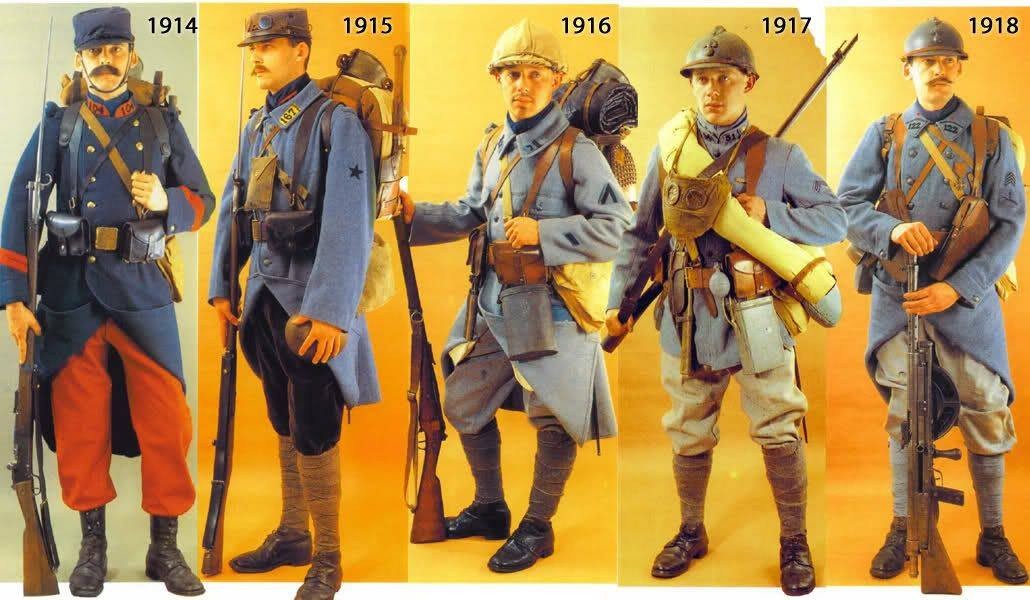
Also in terms of mentality for the soldiers. Before WWI, they thought of war as a heroic historic thing where men marched in lines in open fields, maybe shot at one another and then everyone fought in hand to hand combat … which meant everyone believed that it was the strongest, fastest and most skilled warriors who became the victors of war. It was a great thing which meant that you had to dress in bright beautiful colours because everyone was in full view of one another and up close.
WWI arrives and all those young guys who thought they were going to fight each other with swords, knives or their bare hands instead spent years sitting in the mud, never seeing the enemy, having sniper fire whiz past their heads and endless days of bombing that blew out their ear drums, shook them all day and night and sent the fear of god into them without ever having fought anyone in close combat.
It really must have been a very rude awakening for anyone wanting to be part of WWI at the start.
It’s funny, because you see that same mentality in the US Civil War - most of the recruits going off thinking it’s going to be some big adventure, and then the next four years creating an immense backlash to the idea of war as an ‘adventure’, and the recruits from the start either becoming disillusioned or immensely ideological in support of their Cause™.
Fuck at the First Battle of Bull Run, a large number of Union civilians came along to picnic and watch the whole affair (it didn’t go well for them - the Union or the civilians).
War has always been brutal, but industrialized warfare really scrapes off the last ‘heroic’ sheen of the whole miserable affair.
I always wonder if this isn’t part of the reason why shock troops in WW1 seemed to have a more mixed opinion on the war on average. They got to have their heroic (in the classical, Beowulf sense, not in the morally righteous sense) war experience with clubs, knuckledusters, and knives, even if it was more muddy and dark than they were expecting.
… might also be why some special forces in the modern day enjoy the job. Tempo tempo tempo. All adrenaline, and what’s a little exposure to death along the way? Not quite the same experience as manning a trench or patrolling the sandbox.